

Table of Contents
What is start/stop battery technology?
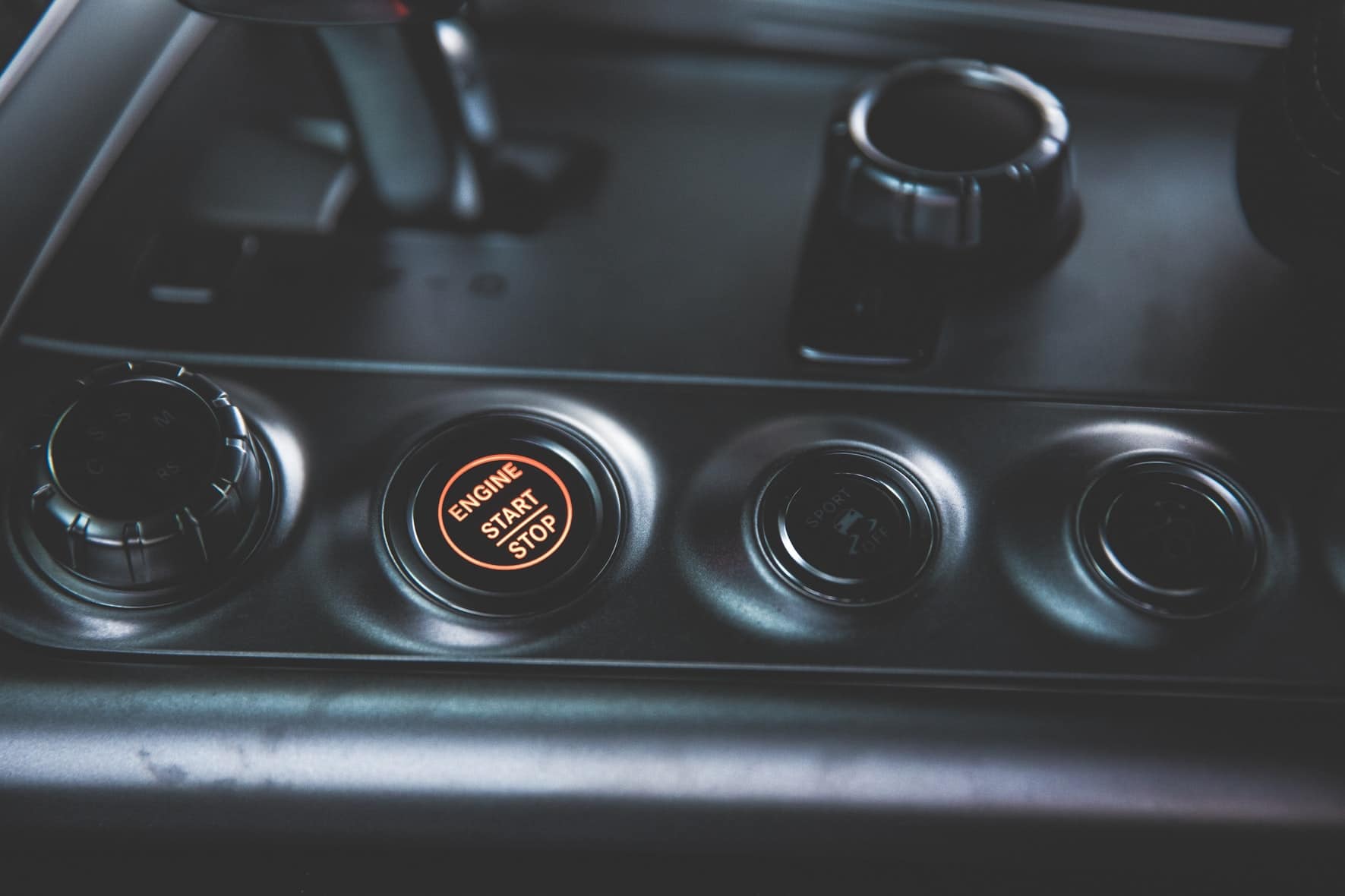
As the name suggests, stop/start technology (or start/stop batteries, take your pick) is a system in newer car models that automatically starts and stops the car’s engine when the vehicle is stationary, then restarts it when the brake is disengaged (in cars with automatic transmission) or the clutch is actuated (in cars with manual transmission). By preventing the engine from idling at traffic lights or in heavy traffic, start/stop systems reduce fuel consumption, lower emissions, and cut running costs. Despite the engine switching off, essential systems such as air conditioning and the radio continue to operate thanks to specially designed Start/Stop batteries. Overall, these systems can reduce fuel use and emissions by approximately 3-8%. If your vehicle has a start/stop system, you need a start/stop battery. To upgrade to a battery that best fits your start/stop vehicle, enter your details into our Battery Finder Tool or pop into your nearest Marshall Batteries store. Our start/stop batteries come with an 18-month warranty.Why do I need a special battery for start/stop cars?
In a standard vehicle, starting the car is typically a one-off event in your journey. You’ll start the car at the beginning and keep it running until you arrive. Standard starting batteries are designed for this purpose. They discharge a large, short burst of power, then recharge using the car’s alternator over the course of your journey. In a start/stop vehicle, the car will restart frequently. With a standard battery, this frequent restarting will require numerous large bursts of energy that would rapidly discharge the battery before the alternator can fully recharge it.How are start/stop batteries different to traditional car batteries?
The main difference between a standard car battery and an ISS start/stop battery is that start/stop technology is built to withstand higher electronic demand and more frequent charge/discharge cycles. Other main differences include:More durable
While the lifespan of both types of batteries is similar (around 3-5 years), the cycle durability of a standard battery is not suited to the requirements of a start/stop vehicle. Start/stop batteries have a higher cycle durability to support frequent discharges:- Enhanced Flooded Batteries (EFB): 2x improved cycle life
- Absorbent Glass Mat (AGM): 3x improved cycle life
Higher capacity
While standard car batteries have sufficient capacities for powering traditional systems, start/stop batteries are designed with a higher capacity to cope with the higher electrical demand. When you’re using air-conditioning, lights, the radio and the other stuff that makes driving in Aussie traffic bearable, you can rest assured that a start/stop battery will be able to keep everything going.Better recharge performance
A standard battery has a standard recharge time. Start/stop batteries are designed to recharge faster and more efficiently to maintain enough power for the car. AGM (Absorbant Glass Mat) batteries are the best for recharge performance.Cost-effective in the long-term
Generally, start/stop batteries are more expensive upfront (up to $200 more than traditional car batteries), but better for your wallet long-term because they’re made with more advanced technology for enhanced performance.Fuel savings
Less time idling = less fuel wasted. If you’re someone who sits in traffic or drives in urban areas and cities, you’ll notice a saving on your fuel costs with a start/stop system.Better for the environment
Star/stop batteries help reduce harmful emissions which are better for the environment. They are estimated to produce up to 8% less emissions than a traditional battery vehicle.Built tough for Australian roads & conditions
Aussie roads need Aussie batteries. Start/stop batteries are designed to handle everything Australia has to throw at them, from soaring temperatures to hectic city traffic. AGM start/stop batteries in particular can cope with Australia’s extreme temperatures and with vibration. They also have the best recharging capabilities, so they work well over long journeys, through urban traffic, or rural off-road. Standard batteries are less well suited to these conditions.What are the different types of start/stop batteries?
There are two main types of batteries you’ll find when looking for start/stop car batteries: absorbent glass mat (AGM) and enhanced flooded battery (EFB). AGM batteries are the preferred choice for heavier vehicles with more advanced power demands, rather than your everyday passenger car. They are considered the most powerful Start/Stop batteries. EFBs are essentially more modern, advanced versions of your standard car battery that are specifically designed for passenger vehicles. They are more affordable but less powerful, best suited for everyday use rather than significant power demands. If your car is already equipped with an EFP, it can be upgraded to an AGM but should not be replaced with a standard flood battery.AGM vs. EFB start/stop batteries
Here’s a quick breakdown of how AGM and EFB batteries compare.
Feature |
AGM Battery |
EFB Battery |
Design |
Sealed with absorbed glass mats to hold electrolytes | Enhanced version of standard flood batteries to suits start/stop systems |
Cost |
More expensive due to advanced battery technology | More affordable than AGM |
Durability |
High durability and vibration resistance. Great for offroad | Moderate durability. Recommended for on-road use only |
Lifespan |
3-4 x more cycling life than standard batteries | 2x cyclic durability of a standard flooded battery |
Compatibility |
Ideal for advanced start/stop systems with regenerative braking | Suitable for standard start/stop passenger vehicles |
Climate tolerance |
Performs well in extreme temperatures (heat and cold) | Performs well, but less effective in extremes |
Recharge Performance |
Superior charge performance and fast recharge, utilising regenerative braking | Good charge acceptance but slower than AGM |
Emissions |
8 % lower emissions and greater fuel efficiency | 6 % reduced emissions and greater fuel efficiency |
Maintenance |
Maintenance free | Maintenance free |